Dollar Stumbles as 'Greenland Row' Sparks Tangible Capital Flight

Abstract:The US Dollar has erased its year-to-date gains as a diplomatic row over Greenland escalates into financial retaliation, marked by Danish pension funds liquidating US Treasuries. Markets are pricing in heightened transatlantic political risk as trade tariff threats loom over the Davos summit.
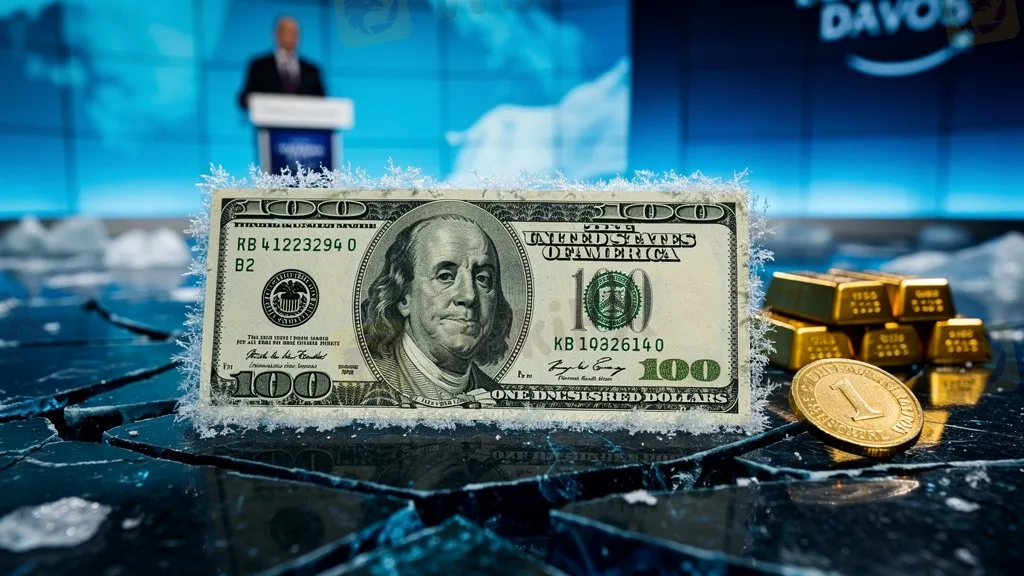
The US Dollar index has surrendered virtually all its year-to-date gains, dropping for a second consecutive session as the geopolitical standoff over Greenland shifts from diplomatic rhetoric to financial reality. The catalyst for the sell-off is the confirmation that Danish pension fund Akademiker Pension has liquidated its holdings of US sovereign debt, citing the escalating dispute. Markets are now bracing for the possibility that the broader $210 billion Danish pension sector could follow suit.
'Weaponization' of Finance
The sell-off in the Greenback and the concurrent spike in US 10-year yields to 4.28% reflect a growing “political risk premium” embedded in US assets. Following President Trumps threat to impose 10-25% tariffs on European nations if his bid to purchase Greenland is rejected, investors are rotating into defensive assets.
The move by Akademiker Pension serves as a tangible signal that the “De-dollarization” narrative is gaining traction among institutional allocators. Analysts note that unlike previous spats, this event involves direct capital flow reversals.
- EUR/USD has surged past 1.1730, benefiting from the reallocation out of USD.
- Gold has hit record highs, reinforcing the flight to safety.
Davos Tension High
The timing creates a volatile backdrop for the World Economic Forum in Davos. President Trump is expected to address the forum later today, with markets hypersensitive to any language regarding “allies' responsibilities” or further protectionist measures.
Canadian Prime Minister Mark Carney (former central banker) delivered a stinging critique at the summit, declaring the “rules-based order” dead and urging mid-sized powers to form alliances against economic coercion. This coordinated pushback from US allies suggests that the trade friction is deepening, potentially weighing further on the Dollar in the near term.
WikiFX Broker
Latest News
Gold Smashes Records: Poland Adds 150 Tons Amid Sovereign Buying Spree
WikiFX"Sell America" Trade Intensifies as Transatlantic Rift Deepens
WikiFXJapan’s ‘Truss Moment’: Bond Market Meltdown Forces BoJ Into a Corner
WikiFXFed Independence in Focus: Bessent Attacks Powell Ahead of Chair Nomination
WikiFXFrom Scam Hub to Safe Bet? Cambodia Fights Back to Win Investors
WikiFXPBOC Holds LPR Steady as Banks Guard Margins
WikiFXSterling Wavers as UK Payrolls Plunge and Wage Growth Slows
WikiFXTrade War Escalates: Danish Fund Dumps Treasuries on Greenland Threats
WikiFXDollar Stumbles as 'Greenland Row' Sparks Tangible Capital Flight
WikiFXTrans-Atlantic Fracture: EU Weighs 'Capital Option' as Tariff War Looms
WikiFXRate Calc
