Sterling Wavers as UK Payrolls Plunge and Wage Growth Slows

Abstract:Sterling has come under pressure after UK payrolls dropped by the largest amount since 2020 and wage growth slowed. The data reinforces expectations for further Bank of England rate cuts as the labor market cools.
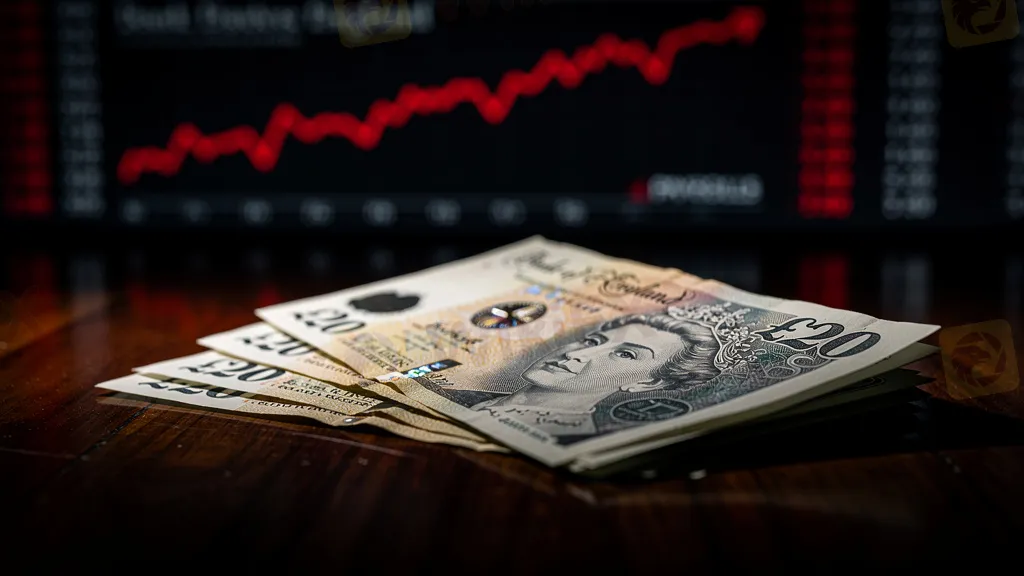
The British Pound faced renewed selling pressure, trading flat near 1.3429 against the Dollar, after dismal labor market data signaled that the Bank of England's (BoE) restrictive policy is biting hard into the real economy.
Key Data Snapshot
- Payroll Change: -43,000 (December)
- Wage Growth: 3.6% (vs expectations)
- Unemployment Rate: 5.1%
- Price Level: 1.3429 (GBP/USD)
Labor Market Cracks
Office for National Statistics (ONS) data revealed a sharp contraction in employment, with payrolls shrinking by 43,000 in December—double the market's expected decline and the fastest drop since 2020.
Furthermore, private sector wage growth cooled to 3.6% in the three months to November, significantly undershoot expectations.
Monetary Implications
The data provides the BoE with ample ammunition to justify further monetary easing. While the headline unemployment rate remains elevated at 5.1%, the rapid deceleration in wage pressures addresses one of the central bank's primary inflation concerns.
Markets have fully priced in one rate cut this year, with the probability of a second cut rising to roughly 70%. With the US labor market showing comparative resilience, the widening growth divergence between the US and the UK leaves GBP/USD vulnerable to further downside in the near term.
WikiFX Broker
Latest News
Gold Smashes Records: Poland Adds 150 Tons Amid Sovereign Buying Spree
WikiFX"Sell America" Trade Intensifies as Transatlantic Rift Deepens
WikiFXJapan’s ‘Truss Moment’: Bond Market Meltdown Forces BoJ Into a Corner
WikiFXFed Independence in Focus: Bessent Attacks Powell Ahead of Chair Nomination
WikiFXFrom Scam Hub to Safe Bet? Cambodia Fights Back to Win Investors
WikiFXPBOC Holds LPR Steady as Banks Guard Margins
WikiFXSterling Wavers as UK Payrolls Plunge and Wage Growth Slows
WikiFXTrade War Escalates: Danish Fund Dumps Treasuries on Greenland Threats
WikiFXDollar Stumbles as 'Greenland Row' Sparks Tangible Capital Flight
WikiFXTrans-Atlantic Fracture: EU Weighs 'Capital Option' as Tariff War Looms
WikiFXRate Calc

