One Click, RM339,000 Gone: Inside the ‘Navis Wealth’ Investment Scam

Abstract:A Malaysian woman has lost more than RM339,000 after falling victim to a scheme operated under the name “Navis Wealth”.
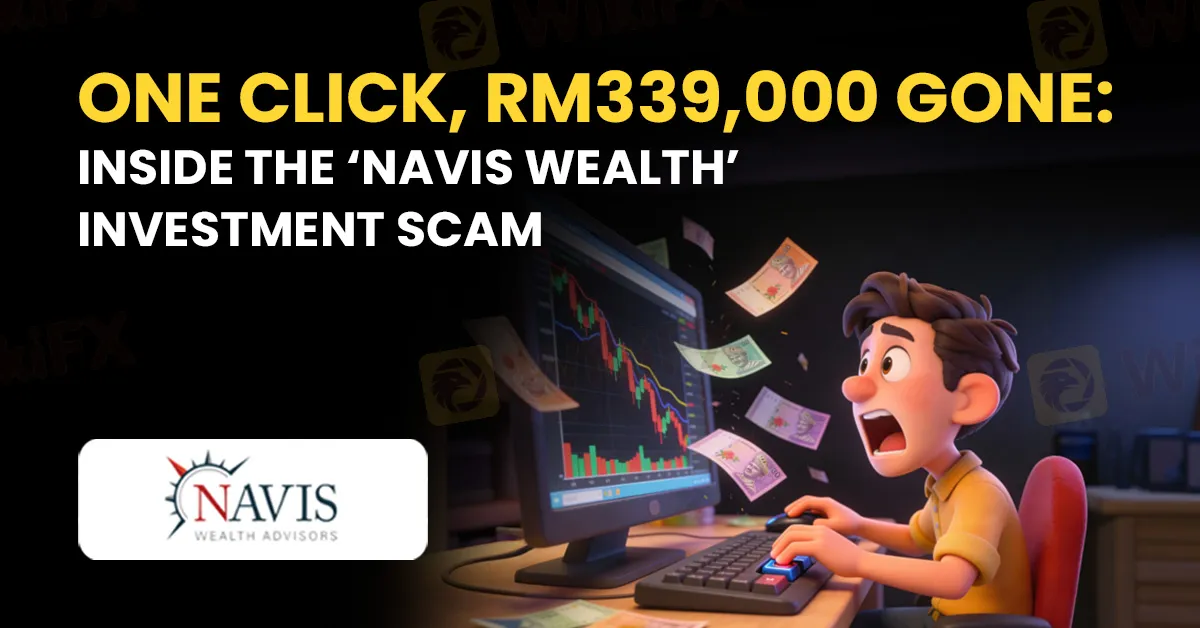
A Malaysian woman has lost more than RM339,000 after falling victim to an elaborate online investment scam, once again highlighting the growing risks facing retail investors in the digital trading space.
The victim, a 40-year-old woman based in Kuching, was reportedly drawn into what appeared to be a legitimate stock investment opportunity promoted on Facebook in December last year. According to local police, the scheme operated under the name “Navis Wealth”, which investigators later confirmed does not exist as a registered investment entity.
Kuching police chief ACP Alexson Naga Chabu explained that the fraud began with a social media advertisement promising attractive investment returns. After expressing interest, the victim was directed to a website, naviscapital.co, where she was instructed to download an investment application. Shortly afterwards, she was added to a WhatsApp group that appeared to function as an investment discussion forum, further reinforcing the illusion of legitimacy.
Over time, the woman made a total of 22 online transfers into three separate company bank accounts. The cumulative amount transferred reached RM339,486. The transactions were presented as capital injections required to grow her investment portfolio, a tactic commonly used by scammers to extract repeated payments from their targets.
The deception became clear when the victim attempted to withdraw her supposed profits. Despite assurances within the group that withdrawals were being processed, no funds were returned. Communication with the organisers eventually broke down, leading her to realise that she had been defrauded.
Police have since opened an investigation under Section 420 of Malaysias Penal Code, which covers cheating and dishonest inducement. Authorities are continuing to trace the flow of funds and identify those behind the scheme.
This case reflects a broader pattern seen across global financial markets, where fraudulent operators exploit social media platforms, messaging apps and professional-looking websites to target inexperienced or overly trusting investors. The use of group chats, fake applications and multiple bank accounts is designed to create confidence while obscuring accountability.
At WikiFX, our mission is to empower investors with the knowledge and tools required to make safe, informed decisions. When selecting an overseas broker, we strongly advise exercising due diligence and, wherever possible, choosing one regulated by a reputable authority such as Australia‘s ASIC, the United Kingdom’s FCA, or other recognised regulators.
Should you fall victim to fraudulent activity, it is essential that you act without delay. We recommend reporting the matter to the police or consulting a qualified solicitor, as well as contacting your local consumer affairs office.
To further support investors, the WikiFX app delivers daily push notifications highlighting brokers identified as posing withdrawal risks. For timely updates and reliable protection, we encourage you to download the app.
Read more

HIJA MARKETS User Reputation: Is It Safe or a Scam? An Evidence-Based Analysis
Is HIJA MARKETS safe or a scam? This is the key question for any trader thinking about using this platform, and our research aims to give a clear, fact-based answer. Based on proven information, Hija Markets shows several major warning signs that require serious caution. The platform started very recently in late 2024, has no financial oversight, and barely exists online - these are huge red flags. This article will examine these issues to show the possible risks to your capital. We will look at the company's background, rules it follows, and how open it is about its business. Before investing with any broker, checking it independently is essential for safety. We strongly suggest using a complete platform, such as WikiFX, to check a broker's legal status and user reviews as your first step.
HIJA MARKETS Regulation: A Complete Guide to Understanding Its Unregulated Status
s Hija Markets regulated? After checking official regulatory databases, we can confirm that Hija Markets is not a regulated broker. The company, Hija Global Markets Ltd, is registered as an International Business Company (IBC) in Saint Lucia. However, being registered as a business is very different from having a financial license that allows them to handle your capital for trading. Without a license from a recognized financial authority, there is no regulatory oversight, no protection for your capital, and no required process for resolving disputes. This article will explain the evidence behind this conclusion, show you the serious risks involved, and give you a clear guide on how to check this information for any broker. Before choosing any broker, especially one with warning signs like these, an important first step is to check its profile on a verification platform, such as WikiFX, to get the complete picture.

HIJA MARKETS Legitimacy Check: Is This a Fake Broker or a Legitimate Trading Partner?
Picking a trading broker is one of the most important financial decisions an investor can make. Your capital, your profits, and your peace of mind all depend on whether the platform is honest. You are smart to be careful, especially when you see a new name like Hija Markets. This platform says it is a modern, full-featured online brokerage, but what is really going on behind the scenes? This article gives you a complete, fact-based look into whether Hija Markets is legitimate. Our goal is to look past the marketing and study real facts to answer one main question: Is this a safe trading partner? While Hija Markets look attractive on the surface, our research shows several serious warning signs, especially that it has no financial regulation at all, which creates a big and unacceptable risk to traders' capital.
How Fake RM663,000 Profits Led a Housewife to Lose RM239,000
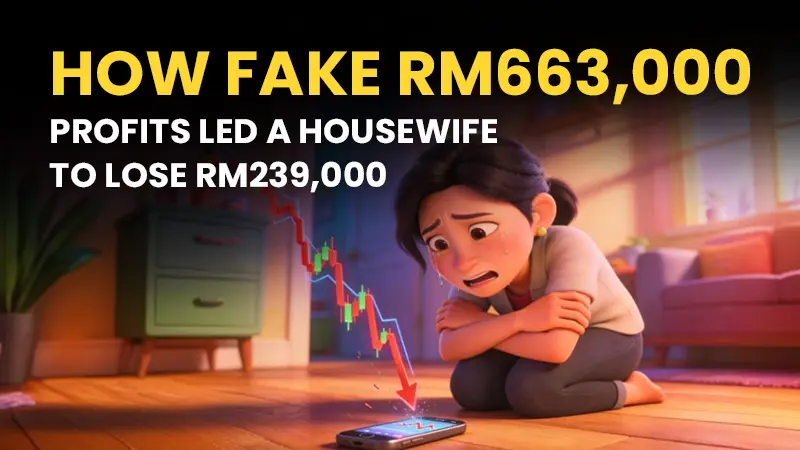
A Batu Pahat housewife lost RM239,000 after being lured into a fake online investment scheme that displayed fabricated profits of RM663,000.
WikiFX Broker
Latest News
Safe-Haven Supercycle: Gold Hits $4,690 as Silver Squeeze Intensifies
WikiFXTrans-Atlantic Rupture: Markets Brace for Trade War as Trump Issues Greenland Ultimatum
WikiFXDollar Softens as Fed Signals Shifts; Warsh Leads Nomination Race
WikiFXUpway (JRJR) Review: A Deep Dive into Safety and Regulation
WikiFXCoinbase Banks Push Advances Crypto Rules
WikiFXChina Delivers 5% Growth Target, Yet December Data Reveals Deepening Consumption and Property Cracks
WikiFXRM668K Gone Overnight: Factory Supervisor Trapped in Fake Investment Scam
WikiFXItaly’s Consob Blocks Five Unauthorized Investment Websites in New Enforcement Action
WikiFXGold Tears Through $4,700 Barrier as Risk Premiums Spike
WikiFXInvestigation: The "Imposter" Trap Draining OANDA Traders
WikiFXRate Calc
