The Investment Trap: Key Suspect Identified

Abstract:A Malaysian man was charged in Singapore for allegedly acting as a cash collector in a cross-border investment scam, after a victim lost substantial funds through a fake platform promoted via social media and WhatsApp. The case underscores the growing sophistication of scam networks and the importance of caution when dealing with unsolicited investment offers.
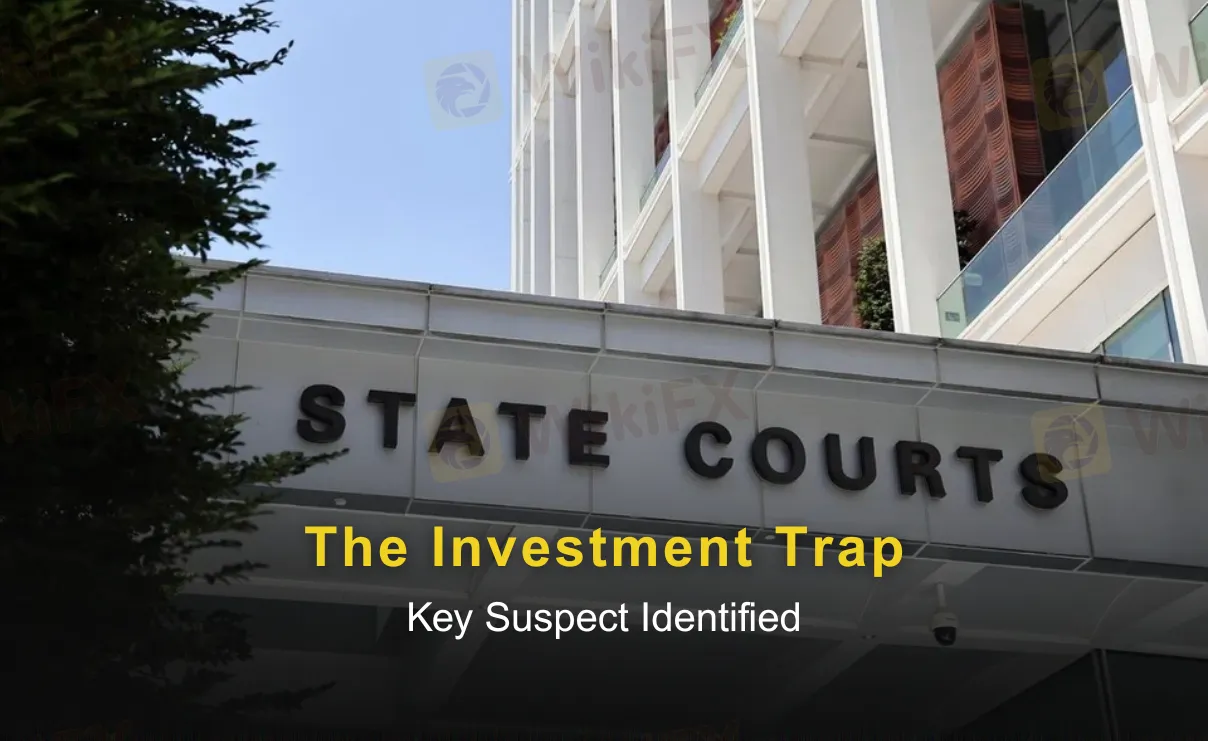
A 41-year-old Malaysian man has been charged in Singapore over his suspected role in a cross-border investment scam, highlighting once again how sophisticated fraud networks continue to target victims through social media and messaging platforms.
Mohd Khairool Faizal Azlan was arrested on Feb 15 at Changi Airport while allegedly attempting to leave Singapore. A day later, he was produced before the State Courts and charged under Singapores Corruption, Drug Trafficking and Other Serious Crimes (Confiscation of Benefits) Act. Authorities believe he acted as a cash collector for a transnational scam syndicate operating between late January and mid-February.
According to Singapore police, Khairool is suspected of helping the syndicate by collecting money from individuals residing in Singapore. He has since been remanded and is scheduled to return to court on Feb 23 as investigations continue.
The arrest followed a police report lodged on Feb 7 by a woman who said she had fallen victim to an online investment scheme. The victim had encountered what appeared to be a legitimate investment advertisement on Facebook before being directed to join a WhatsApp group. Within the group, she received guidance on setting up an account through a mobile application and was persuaded to transfer funds.
Initially, the application displayed what looked like profitable returns, showing an 8 per cent gain after she transferred S$25,000 to unfamiliar bank and digital payment accounts. Encouraged by the apparent profits, she was then told she could earn even higher returns by investing more.
Believing the opportunity to be genuine, the woman later handed over S$50,000 in cash to a man who claimed to represent the investment firm. The promised returns, however, never materialised. When she attempted to withdraw her funds, she realised she had been deceived.
Police said preliminary findings suggest Khairool had allegedly been instructed by unknown individuals linked to the scam network to collect cash from victims and pass it on to other parties. His arrest at the airport prevented him from leaving the country while investigations were ongoing.
Singapore authorities also used the case to warn of a growing pattern involving foreign nationals recruited to assist scam operations. The Singapore Police Force noted an increasing number of Malaysian nationals travelling into the country to act as intermediaries, often tasked with collecting cash, gold or other valuables from victims.
Under Singapore law, individuals convicted of assisting others in retaining benefits from criminal activities face severe penalties, including prison terms of up to 10 years and substantial fines. Recent legislative amendments have further tightened punishments for scam-related offences, reflecting the scale of financial harm caused by such crimes.
Police have reiterated that many investment scams begin with seemingly credible advertisements on social media. Victims are often guided to download unfamiliar applications or persuaded to make payments outside regulated financial channels. Fraudsters may even arrange in-person meetings to collect cash, a tactic designed to avoid detection by banks and payment providers.
Authorities are urging the public to exercise caution when approached with unsolicited investment opportunities, particularly those promising unusually high or guaranteed returns. Requests to transfer money, download unknown apps, or meet unfamiliar individuals should be treated with extreme suspicion.
As digital scams grow more convincing, law enforcement agencies stress that vigilance remains the most effective defence. Verifying investment platforms, refusing to engage with unknown contacts, and seeking independent confirmation before transferring funds can help reduce the risk of financial loss.
Read more
Fake FP Markets Exposure: Allegations of Fund Withdrawal Denials & Trade Manipulation
Did you experience a surprise cancellation of the profits made on the Fake FP Markets trading platform? Did you face more losses than what’s mentioned on your stop-loss order? Did you lose all your capital invested through a supposedly introducing broker? Failed to receive access to the FP Markets withdrawal despite a long delay from the application date? You are not alone! In this Fake FP Markets review article, we have investigated some complaints concerning withdrawal denials and trade manipulation. Read on as we share updates below.
CMTrading Review: Is It Legit or a Scam? Check It Out Now!
Did you experience a difference in the CMTrading withdrawal experience when requesting a small and a large amount? Did the Cyprus-based forex broker accept your requests when the withdrawal amount was small and deny when it was high? Were you told to pay a processing fee that seemed illegitimate in your context? Did the broker scam you by prompting you to deposit more after showing your initial profits? In this CMTrading review article, we have investigated the broker in light of the complaints. Check them out.
XSpot Wealth Exposure: Traders Report Withdrawal Denials & Constant Deposit Pressure
XSpot Wealth has found many negative comments from traders who have allegedly been deceived by the broker. Traders constantly accuse the broker of causing unnecessary withdrawal blocks and forcing them to continue depositing with it. Many user complaints emerged on WikiFX, a leading global forex regulation inquiry app. In this XSpot Wealth review article, we have investigated multiple complaints against the broker. Read on!

SEVEN STAR FX Exposure: Do Traders Face Account Blocks & Withdrawal Denials?
Did SEVEN STAR FX make unreasonable verification requests and block your forex trading account later? Did the broker prevent you from accessing fund withdrawals? Were you made to wait for a long time to receive a response from the broker’s customer support official? Have you had to seek legal assistance to recover your stuck funds? Well, these are some claims made by SEVEN STAR FX’s traders. In this SEVEN STAR FX review article, we have looked closely at the company’s operation, the list of complaints, and a take on its regulatory status. Keep reading to know the same.
WikiFX Broker
Latest News
Capital.com Review: Is Your Money Locked Inside this Broker?
WikiFXAssetsFX Regulation: A Complete Guide to Licenses and Trading Risks
WikiFXGrand Capital Review 2026: Is this Broker Safe?
WikiFXMultiBank Group Review: A Regulatory Titan or a Master of Liquidation?
WikiFXZarVista User Reputation: Looking at Real User Reviews to Check if It's Trustworthy
WikiFXZaraVista Legitimacy Check: Addressing Fears: Is This a Fake Broker or a Legitimate Trading Partner?
WikiFXPinnacle Pips Forex Fraud Exposed
WikiFXS. Africa Energy Gridlock: Glencore Proposal Stalls Amid Regulatory Clash
WikiFXTP Trader Academy ‘The Axis Event’: Pioneering Trading Education at the Heart of Tech and Data
WikiFXXSpot Wealth Exposure: Traders Report Withdrawal Denials & Constant Deposit Pressure
WikiFXRate Calc
